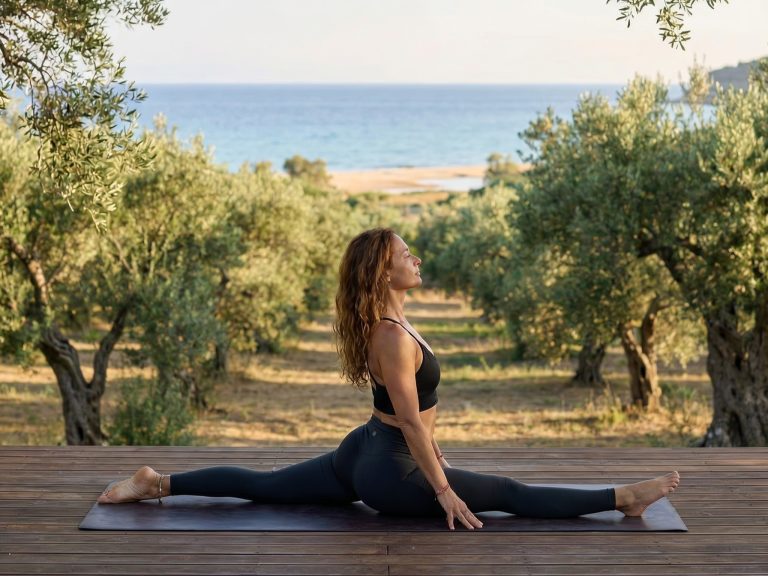
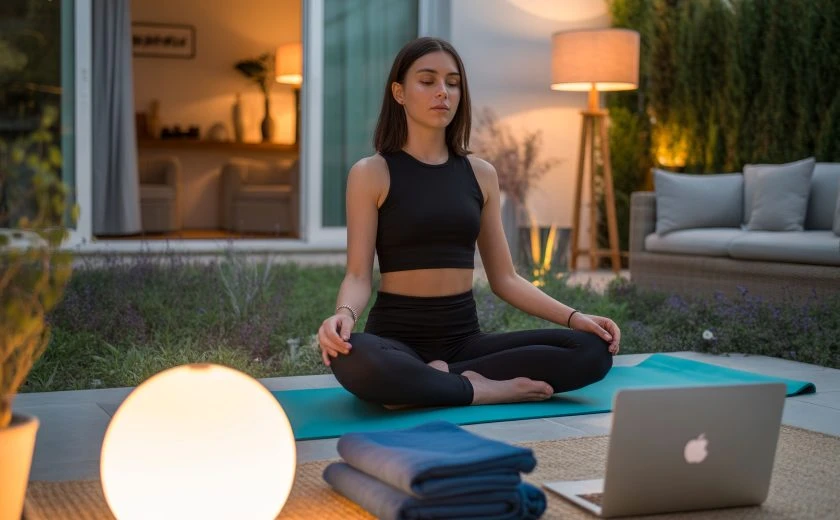
Practicing yoga at home offers freedom and flexibility. However, without structure, it can easily become inconsistent or unfocused.
A successful home practice requires discipline, intelligent planning, and clear intention. When approached correctly, it can significantly improve strength, mobility, breath control, and mental clarity.
Here is how to build a sustainable and effective home yoga practice.
1. Establish a Consistent Schedule
Consistency matters more than duration.
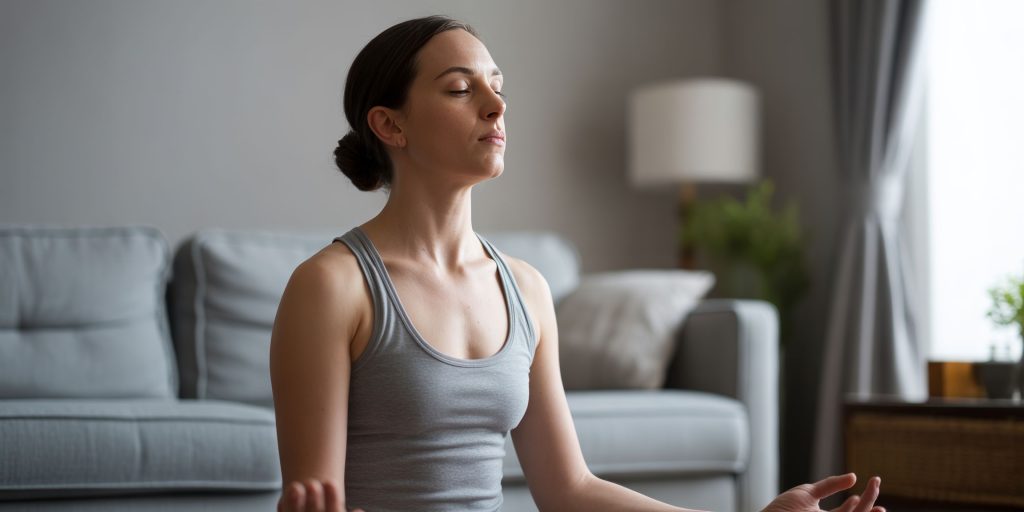
Choose a realistic time that fits your lifestyle. Morning practice often supports mental clarity and sets a grounded tone for the day. Evening sessions can help regulate the nervous system and release accumulated tension.
Even 20 to 30 minutes practiced regularly is more beneficial than occasional long sessions.
Consistency builds discipline. Discipline builds progress.
2. Create a Dedicated Practice Space
Your environment shapes your focus.
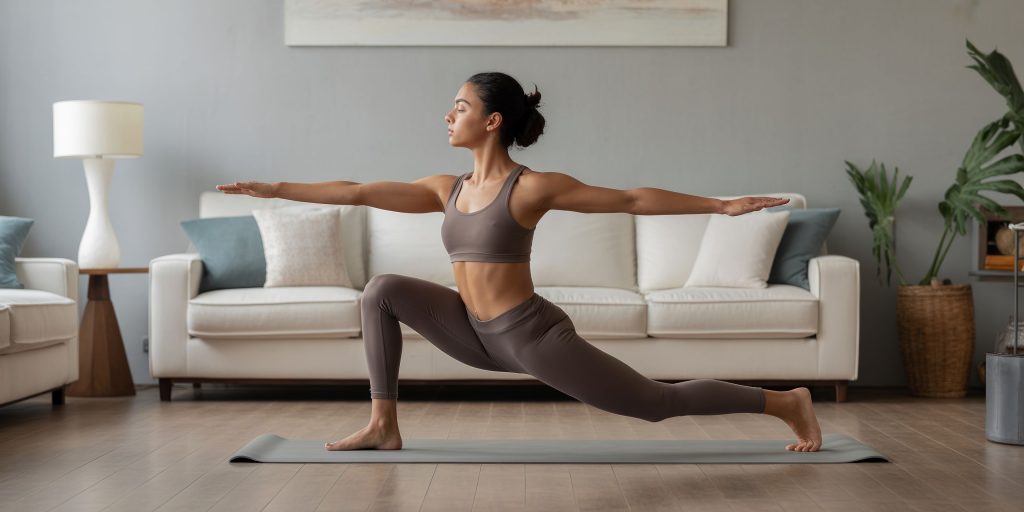
Designate a specific area in your home for yoga practice. It does not need to be large, but it should feel intentional.
Keep the space:
• Clean
• Uncluttered
• Quiet
• Well ventilated
Remove digital distractions. Silence notifications. Treat your practice time as a non-negotiable appointment.
A distraction-free environment enhances mental concentration and breath awareness.
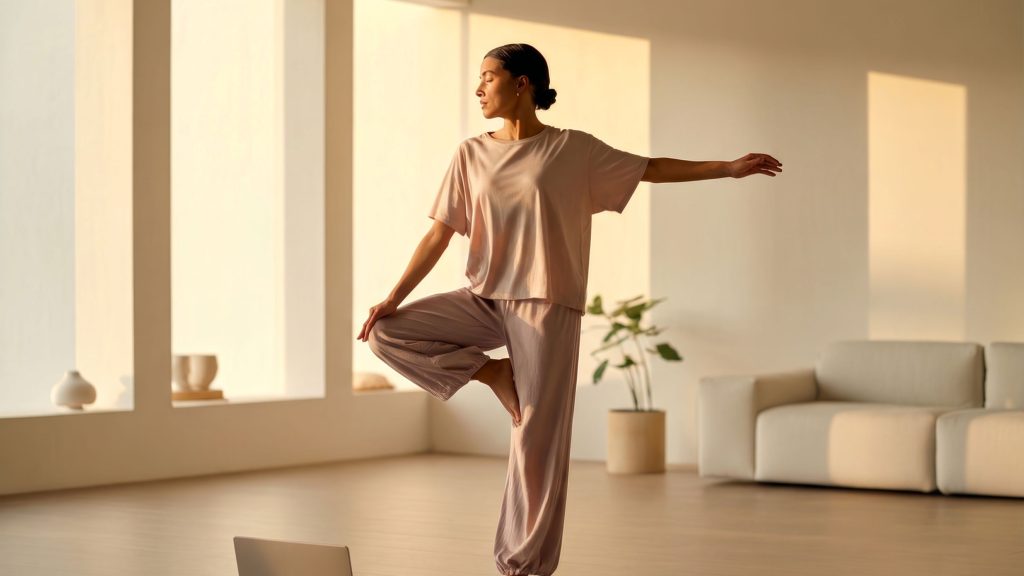
3. Start with Breath Awareness
Before movement, begin with stillness.
Spend a few minutes observing your natural breath. This stabilizes attention and transitions the nervous system into practice mode.
Breath-led movement prevents rushing and reduces injury risk.
When the breath becomes uneven, it signals overexertion. Learning to regulate intensity through breathing develops internal intelligence and self-awareness.

4. Focus on Foundational Alignment
Without a teacher physically present, alignment awareness becomes even more important.
Prioritize:
• Neutral spine positioning
• Stable foot placement
• Controlled transitions
• Core engagement
Avoid pushing into advanced postures without adequate preparation.
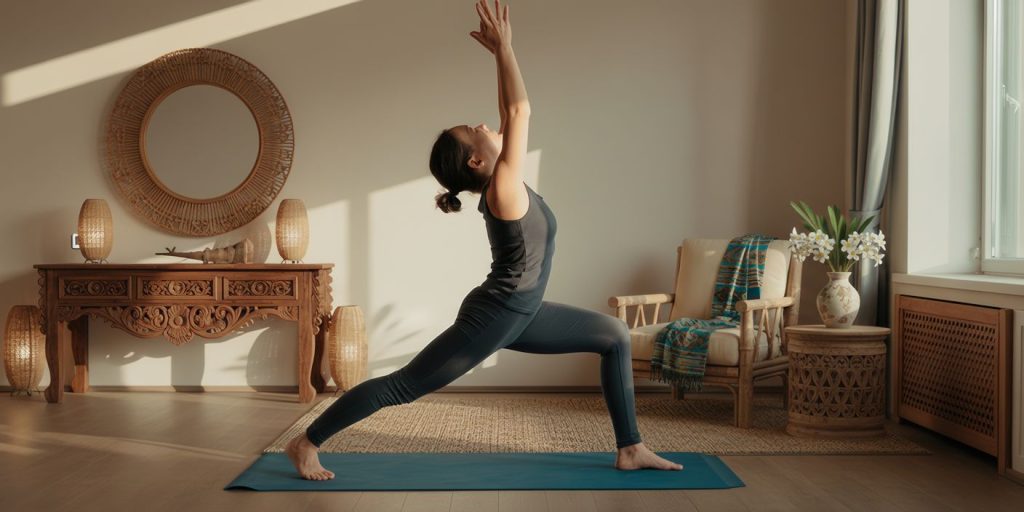
Mastering foundational poses such as Downward Facing Dog, Warrior variations, Plank, and seated forward folds builds the structural integrity necessary for safe progression.
Quality matters more than complexity.
5. Follow a Structured Sequence
Random movement leads to fatigue without measurable progress. A well-structured session should include:
• Gentle warm-up
• Progressive standing sequence
• Balanced peak effort
• Counterposes
• Cooldown and relaxation
Following a logical arc prevents overuse patterns and supports muscular balance.
If possible, follow professional guidance from reputable training programs or experienced teachers rather than improvising without direction.
6. Track Your Progress
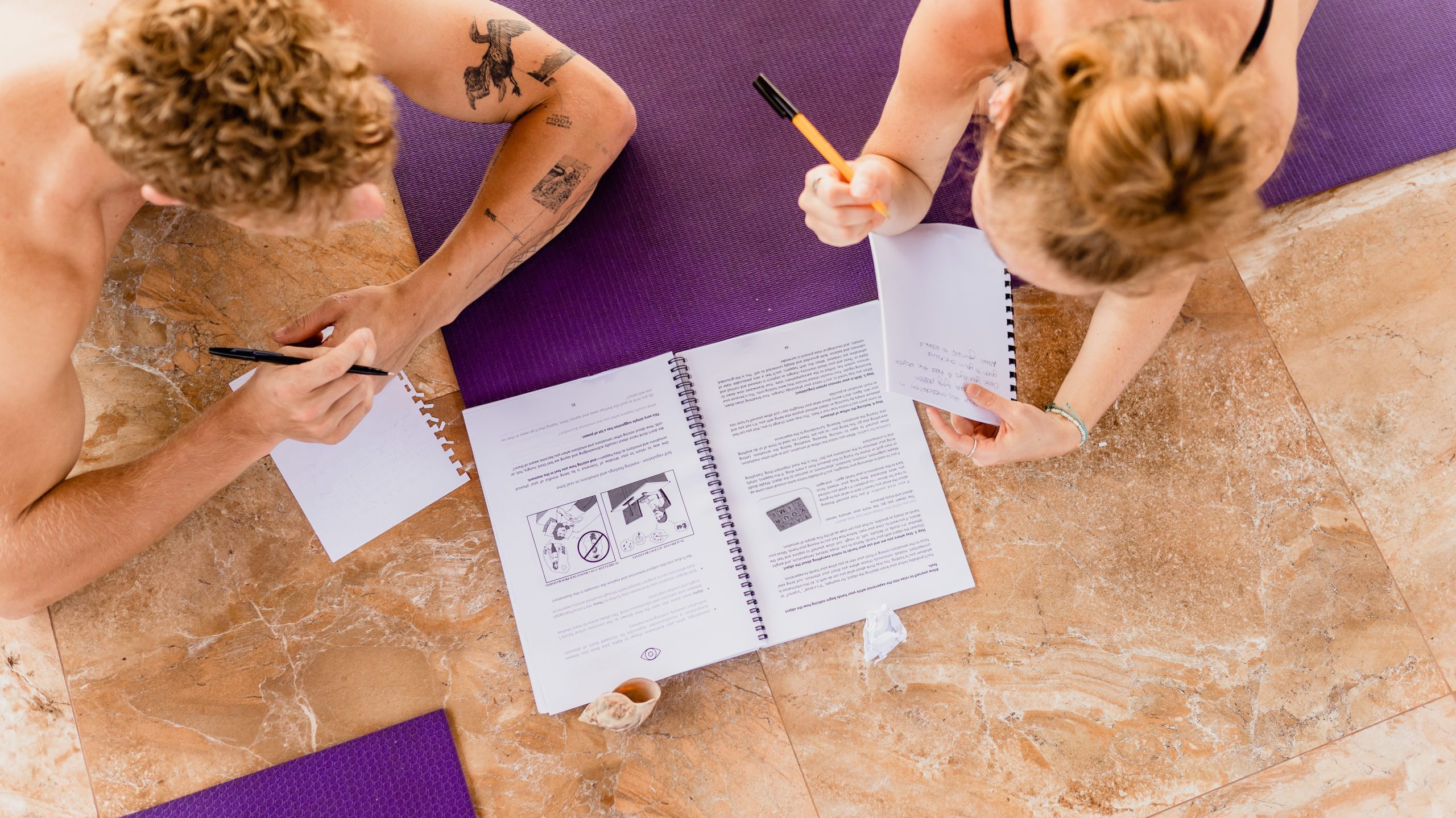
Keep a simple journal documenting:
• Duration of practice
• Physical observations
• Emotional state
• Areas of difficulty
Tracking helps identify patterns and encourages accountability.
Growth is easier to see when recorded.
7. Integrate Recovery and Mobility
Home practice should not only be intense. Incorporate restorative postures, breathwork, and mobility drills. Recovery supports long-term sustainability and prevents burnout.
Balance strength with softness.
8. Supplement with Professional Training
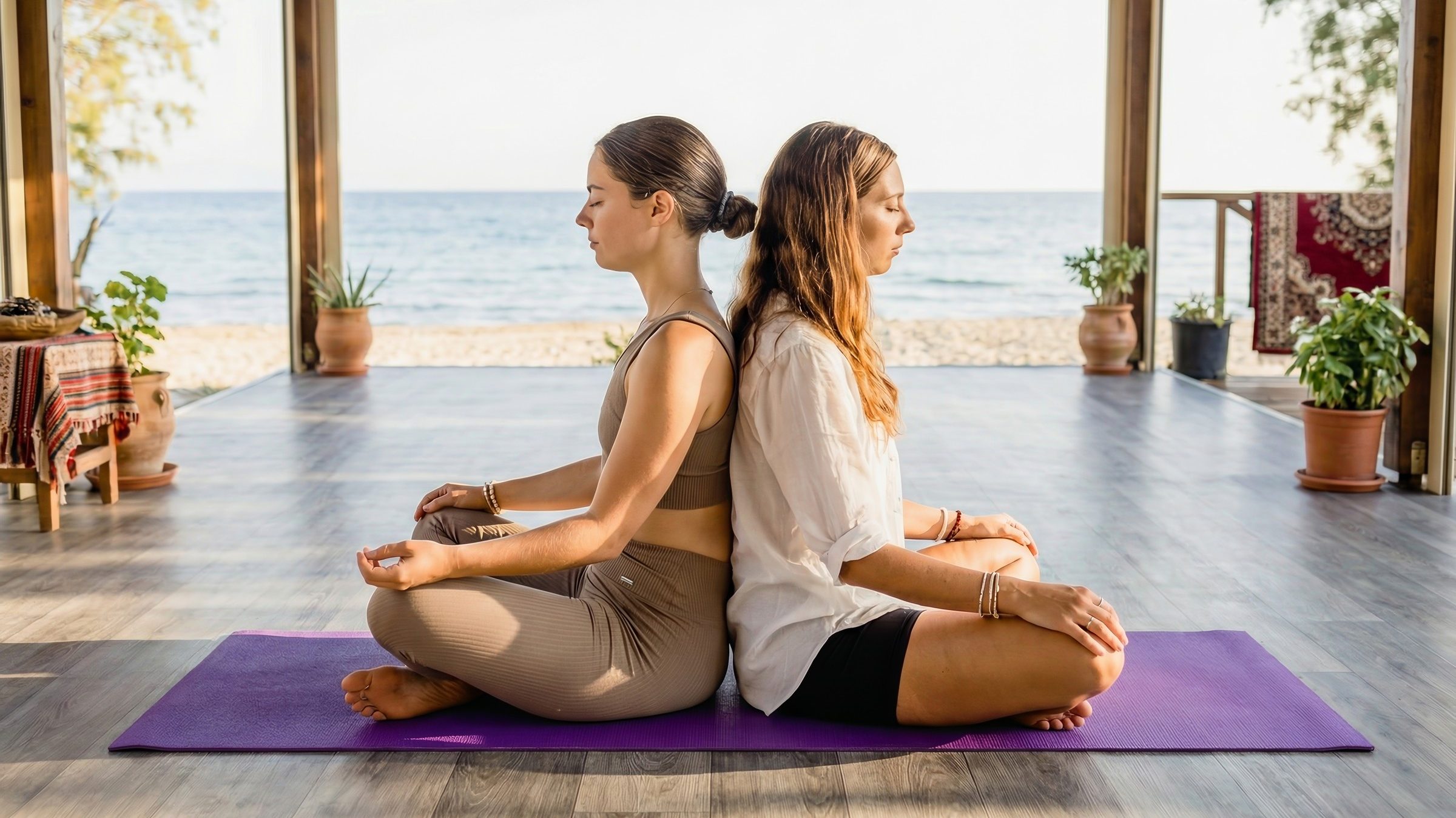
While home practice builds discipline, immersive training accelerates technical development. Learning alignment mechanics, anatomy, sequencing strategy, and cueing principles in a structured environment deepens understanding and prevents long-term errors.
At YogaUnion Bali, our internationally accredited 200-hour and 300-hour Yoga Teacher Training programs help practitioners transform personal practice into professional-level knowledge.
For those seeking deeper study, immersive training provides clarity, structure, and measurable growth.

Final Thoughts
Practicing yoga at home can be a powerful way to build consistency and develop a deeper connection with your body and breath. By creating a dedicated space, setting realistic goals, and approaching your practice with patience, you can transform even a short daily session into a meaningful ritual that supports both physical and mental wellbeing.
One of the greatest advantages of a home practice is the freedom it offers. You can move at your own pace, explore different styles, and gradually develop the discipline and self-awareness that lie at the heart of yoga. Over time, this consistency can strengthen flexibility, improve focus, and help reduce stress while supporting overall health.
If your home practice inspires you to deepen your knowledge of yoga and explore the tradition more fully, you may want to discover YogaUnion’s immersive training programs.
200H Yoga Teacher Training in Bali
This comprehensive training explores Vinyasa yoga, alignment, pranayama, meditation, anatomy, and yoga philosophy, providing a strong foundation for both personal development and professional teaching.
For students who prefer a more flexible path, you can also explore:
200H Hybrid Yoga Teacher Training (100h Online + 100h Onsite)
Both programs are designed to help practitioners move beyond a home practice and experience yoga as a complete and transformative path.