

Ayurveda and Yoga are not separate wellness trends. They are two complementary sciences that evolved together to support human longevity, vitality, and mental clarity.
Yoga refines movement, breath, and awareness. Ayurveda structures nutrition, daily rhythm, seasonal adaptation, and recovery. When integrated, they form a complete system for sustainable wellbeing rather than short-term performance enhancement.
In a modern world shaped by overstimulation, irregular sleep cycles, processed food, and chronic stress, this integration becomes more relevant than ever.
Why Modern Life Creates Imbalance
Contemporary lifestyles disrupt natural biological rhythm. Artificial lighting extends waking hours. Screen exposure overstimulates the nervous system. Erratic eating patterns weaken digestion. Stress elevates cortisol and destabilizes hormonal balance.
Over time, these patterns lead to:
• Digestive irregularities
• Anxiety and mental fatigue
• Sleep disturbances
• Energy crashes
• Inflammation
Ayurveda addresses these imbalances through daily structure and personalized lifestyle design. Yoga stabilizes the nervous system and reconnects the individual to embodied awareness.
Together, they rebuild internal regulation.

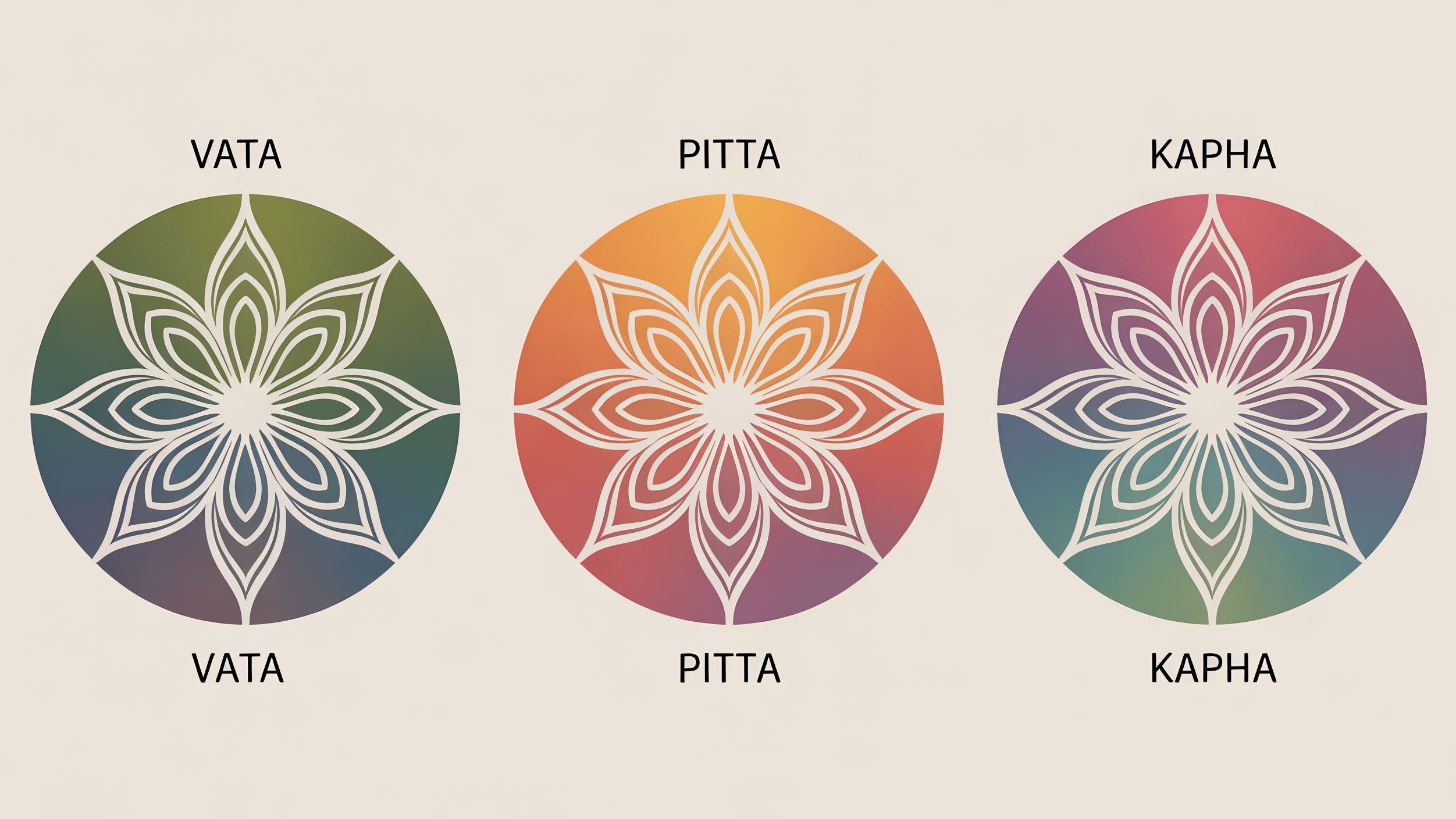
Understanding the Three Doshas: Vata, Pitta and Kapha
Ayurveda identifies three governing principles known as doshas:
Vata represents movement and governs the nervous system.
Pitta represents transformation and governs metabolism.
Kapha represents structure and governs stability.
Every individual contains all three, but usually one or two are dominant.
When Vata is aggravated, symptoms may include anxiety, dryness, or insomnia.
When Pitta is excessive, inflammation and irritability may arise.
When Kapha accumulates, lethargy and stagnation may develop.
Yoga becomes more intelligent when adapted to constitution.
A Vata–dominant practitioner benefits from grounding sequences, slower transitions, and warming breath practices.
A Pitta–dominant individual thrives with moderated intensity and cooling pranayama.
A Kapha constitution responds well to dynamic flows and stimulating sequences.
This personalization prevents burnout and supports long-term vitality.
The Role of Digestion and Agni
In Ayurveda, digestion is central to health. Agni, or digestive fire, determines how efficiently nutrients are absorbed and toxins are eliminated.
When digestion weakens, metabolic residue accumulates and affects energy, mood, and immune resilience.
Through structured meal timing, warm nourishing foods, and appropriate spices, Agni is strengthened. Yoga complements this by stimulating circulation and supporting organ function through twisting, compression, and breath-led movement.
The result is improved metabolic efficiency and stable energy throughout the day.

Nervous System Regulation Through Breath and Rhythm
Yoga offers practical tools to regulate the autonomic nervous system. Slow nasal breathing, lengthened exhalations, and structured pranayama practices activate parasympathetic recovery pathways.
Ayurveda reinforces this by stabilizing daily rhythm, encouraging consistent sleep cycles, and reducing overstimulation.
Together they cultivate:
• Emotional steadiness
• Improved focus
• Reduced stress reactivity
• Enhanced recovery capacity
This is not merely relaxation. It is biological regulation.

Seasonal Adaptation and Cyclical Awareness
Ayurveda teaches that health requires alignment with natural cycles. Climate, season, and life stage influence physiology. During warmer months, cooling foods and gentler practices balance Pitta. In colder or windier seasons, grounding nutrition and slower yoga sessions stabilize Vata.
Practitioners who adapt their yoga practice seasonally develop deeper resilience and avoid chronic depletion.

Ayurveda and Yoga at YogaUnion Bali
At YogaUnion Bali, Ayurvedic awareness is integrated into Vinyasa, Yin, breathwork, and meditation modules within our teacher training programs.
Students learn:
• How to adapt sequencing according to constitution
• How to prevent overtraining and energetic burnout
• How to design balanced classes
• How to integrate lifestyle awareness into teaching
Our internationally accredited 200-hour and 300-hour programs in Bali combine movement science, philosophy, anatomy, and energetic balance within an immersive environment that supports focus and transformation.

Final Thoughts
Ayurveda and yoga share the same holistic vision of wellbeing. Together, they offer a powerful framework for living in harmony with the rhythms of the body, mind, and environment. By combining mindful movement, conscious breathing, balanced nutrition, and daily routines that support your natural constitution, Ayurveda yoga encourages a sustainable path toward vitality and inner balance.
In today’s fast-paced modern world, these ancient teachings remind us to slow down and reconnect with the natural intelligence of the body. Small lifestyle adjustments, mindful habits, and a consistent yoga practice can gradually create profound shifts in physical health, emotional stability, and mental clarity.
If you feel inspired to explore the deeper wisdom behind yoga and Ayurveda, you may want to continue your journey through specialised training.
50H Yoga Philosophy Teacher Training
This immersive course explores yogic philosophy, lifestyle principles, and the ancient teachings that connect yoga, Ayurveda, and self-inquiry.
For those who wish to experience a complete yoga immersion including asana, meditation, breathwork, anatomy, and philosophy, you can also discover:
200H Yoga Teacher Training in Bali
These programs allow you to dive deeper into the traditional roots of yoga while developing a strong foundation for both personal practice and teaching.