Imagine a life where each day feels more centered and vibrant. Yoga offers more than just physical postures; it is a personal journey toward balance and self-discovery. Central to this journey are the “8 limbs of yoga,” as outlined by the ancient sage Patanjali, providing a clear guide to intentional living and mindfulness. Patanjali, believed to have lived between the 2nd and 4th centuries CE, compiled the Yoga Sutras, a foundational text in the philosophy and practice of yoga.
Whether you are just beginning or seeking to deepen your practice, these eight steps offer practical guidance to cultivate inner peace and enhance overall well-being. Join us as we explore each limb and discover how they can help you achieve a more balanced and meaningful life.
1. Yama – Ethical Restraints
The first limb of yoga, Yama, focuses on our ethical conduct and how we interact with the world around us. Think of it as the foundation on which your yoga practice is built. The five principles of Yama are:
- Ahimsa (Nonviolence): Practice kindness and compassion toward yourself and others.
- Satya (Truthfulness): Be honest in your thoughts, words, and actions.
- Asteya (Nonstealing): Respect the belongings and ideas of others.
- Brahmacharya (Moderation): Maintain balance in life by not overindulging in sensory pleasures.
- Aparigraha (Nonattachment): Let go of materialism and the desire for possession.
By following Yamas, you nurture a respectful and compassionate attitude that supports your growth both on and off the mat.
2. Niyama – Personal Observances
While Yama deals with how you relate to the world, Niyama focuses on your inner practices. Niyamas are personal disciplines meant to maintain purity, promote self-reflection, and foster spiritual growth. The five Niyamas include:
- Saucha (Cleanliness): Keep both the body and the mind pure.
- Samtosa (Contentment): Find happiness in what you have rather than constantly seeking more.
- Tapas (Discipline): Develop inner strength and perseverance through self-discipline.
- Svadhyaya (Self-study): Take time to learn about yourself through introspection and the study of scriptures.
- Isvara Pranidhana (Surrender): Trust in a higher power and practice humility.
Incorporating these daily habits helps build a stable foundation for a deeper spiritual practice.

3. Asana – Physical Postures
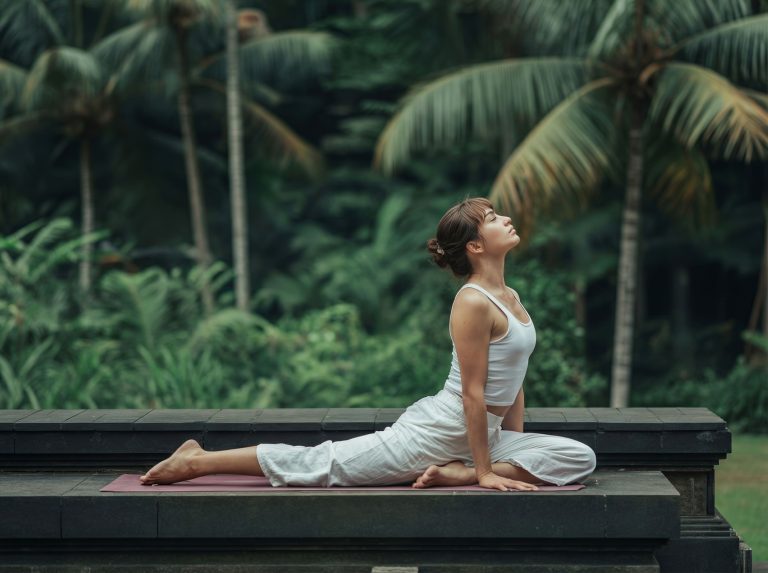
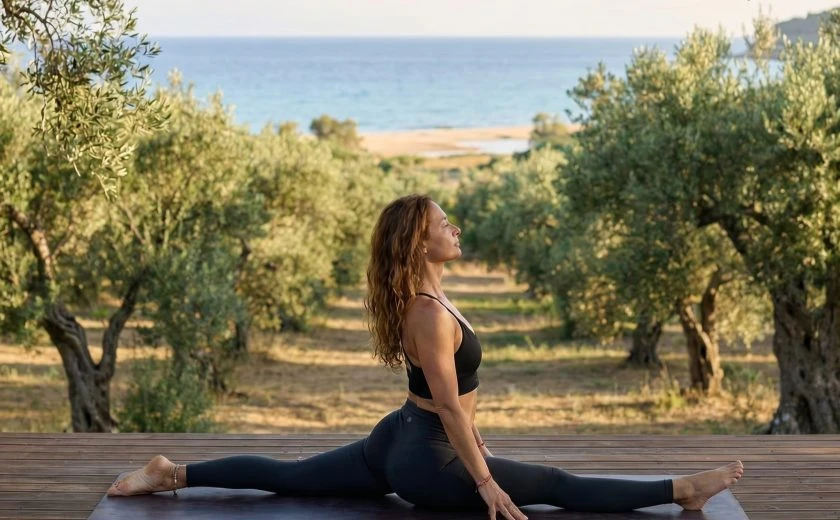
Asana is perhaps the most familiar of the 8 limbs of yoga. It refers to the physical postures that create a strong and flexible body while preparing the mind for meditation. While the various poses help enhance strength, balance, and endurance, the practice of asanas also teaches discipline. With regular practice, you learn to build concentration and patience, paving the way to more advanced aspects of yoga.
4. Pranayama – Breathing Techniques
Breath is the life force, and Pranayama is all about mastering your breath. This limb involves techniques that help control and expand the prana (energy) within you. By regulating your breathing, you can calm the mind, reduce stress, and boost your overall health. Regular practice of Pranayama can lead to improved concentration, emotional stability, and a stronger connection between the body and mind.

5. Pratyahara – Sensory Withdrawal
In today’s world, distractions are everywhere. Pratyahara teaches you to turn your focus inward by withdrawing your senses from external stimuli. This limb is essential for calming the mind as it helps you detach from the constant chatter of the world around you. When you learn to focus internally, you create a peaceful space that is crucial for meditation and self-discovery.
6. Dharana – Concentration
Once you have learned to withdraw your senses, the next step is Dharana, or concentration. Dharana is about focusing your attention on a single point—this can be your breath, a mantra, or a mental image. By practicing focused concentration, you begin to tame your mind and reduce the habitual tendency to scatter your thoughts. This ability to concentrate sets the stage for meditation, deepening your overall yoga practice.
7. Dhyana – Meditation
Dhyana is the state of uninterrupted meditation where your concentration evolves into a deep, reflective awareness. Unlike Dharana where you focus on one particular point, Dhyana is characterized by an open flow of attention. It is during this state that you achieve a sense of inner silence and clarity. Meditation helps dissolve the boundaries between the self and the universe, fostering a profound sense of peace and connection.
8. Samadhi – Enlightenment
The final limb of yoga is Samadhi, a state of blissful ecstasy and complete union with the divine. At this stage, the meditator transcends the ego and experiences oneness with the universe. Although Samadhi might seem distant or challenging to reach, remember that every stage on the yogic path brings its own rewards. As you progress in your practice, you move closer to experiencing the deep inner peace and joy that Samadhi represents.

Why Understanding the 8 Limbs of Yoga Matters
Learning about the eight limbs of yoga isn’t just about gaining knowledge; it’s about finding practical ways to improve your daily life. Each step builds on the one before, helping you gradually transform your mind, body, and spirit. By bringing these principles into your everyday routine, you create a lifestyle that focuses not only on physical health but also on ethical living, emotional strength, and spiritual growth.
This path shows that yoga is a lifelong journey, encouraging continuous growth and learning. For those new to yoga, these steps offer clear guidance. You can start with the basics: Yama (ethical guidelines), Niyama (personal disciplines), Asana (physical postures), and Pranayama (breath control). As you become more comfortable, you can explore deeper practices like Pratyahara (withdrawing senses), Dharana (concentration), Dhyana (meditation), and ultimately, Samadhi (a state of bliss).
Final Thoughts
The Eight Limbs of Yoga remind us that yoga is much more than physical postures. As described in Patanjali’s Yoga Sutras, this ancient system provides a complete path for personal growth, guiding practitioners through ethical living, physical discipline, breath control, meditation, and ultimately spiritual awareness.
While many people first encounter yoga through asana practice, the deeper teachings of yoga philosophy offer powerful insights into how we relate to ourselves, others, and the world around us. Exploring these principles can transform yoga from a workout into a meaningful life practice.
If you feel inspired to deepen your understanding of yoga philosophy and the traditional teachings behind the practice, you may want to explore YogaUnion’s specialised trainings.
50H Yoga Philosophy Teacher Training
For those who wish to explore the full path of yoga including philosophy, asana, breathwork, meditation, and teaching methodology, you can also discover YogaUnion’s comprehensive training:
200H Yoga Teacher Training in Bali
These immersive programs allow you to experience the deeper dimensions of yoga while building a strong foundation for both personal practice and professional teaching.